Need Help? Call Us Now!
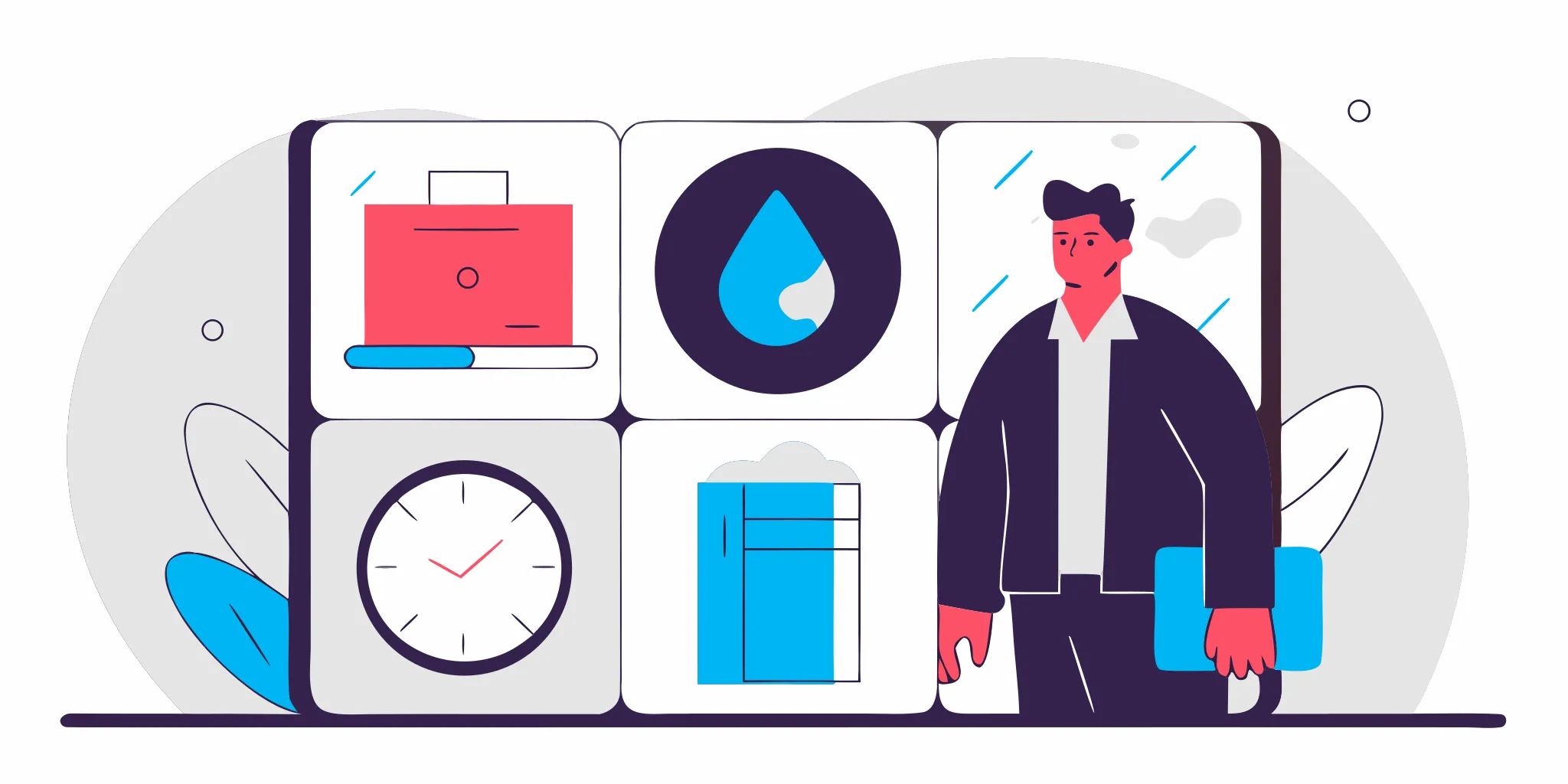
Person looking at icons that show common reasons why an AC is not cooling.
Back to Blog
InsightsJuly 6, 2026

Why Is My AC Not Cooling? 7 Common Reasons

Wondering why is my AC not cooling? Learn the 7 most common reasons your air conditioner isn’t working and get practical tips to restore comfort fast.

Living on the Space Coast means your air conditioner works overtime against our intense heat and humidity. This puts a unique stress on your system that can lead to unexpected problems. When you find yourself asking, "why is my AC not cooling?" the answer is often tied to our local climate. Your system has two jobs: cooling the air and removing moisture. When humidity is high, it has to work much harder, which can lead to wear and tear or reveal underlying issues. Understanding how our environment affects your AC is the first step to diagnosing the problem and keeping your home comfortable. ## Key Takeaways * **Check the Easy Fixes First**: Before you call for help, always check your thermostat settings, inspect the air filter for dirt, and look for a tripped circuit breaker. These simple steps can often get your cool air running again without a service call. * **Recognize Red Flags for a Pro**: Some problems need an expert's touch. Call a technician if you hear strange noises like grinding, notice puddles of water, or see ice on your indoor unit, as these point to deeper mechanical or electrical issues. * **Prioritize Proactive Maintenance**: You can prevent most cooling failures with consistent care. Make it a habit to change your air filter every 1 to 3 months and schedule a [professional tune-up](https://spacecoastcooling.com/hvac-services/ac-tune-up-maintenance/) once a year to keep your system efficient and extend its lifespan. ## Why Is My AC Running but Not Cooling? It’s one of the most frustrating feelings for a Florida homeowner: your air conditioner is running, you can hear the fan blowing, but the air coming out of your vents is lukewarm at best. When your home isn’t getting any cooler, it’s a clear sign that something is wrong with your system. While the indoor fan might be working just fine, another critical part of the cooling process has failed, leaving you to sweat it out. This is especially tough on the Space Coast, where reliable AC isn't just a luxury, it's a necessity for getting through our hot and humid days. Several issues can cause this problem, ranging from simple fixes you can handle yourself to more complex mechanical failures that require a professional. Understanding the most common culprits can help you identify what’s going on and decide on the best next step. Sometimes it's as simple as a clogged filter that's choking airflow, but other times it could point to a refrigerant leak or a failing component deep within the system. Before you panic, it's helpful to know what to look for. Below, we’ll walk through the seven most frequent reasons your AC is running but failing to cool your home, so you can get back to feeling comfortable. ### A Dirty Air Filter Your AC system’s air filter is its first line of defense, trapping dust, pollen, and other debris from the air. When it gets too clogged, it essentially chokes the system. This restricted airflow prevents cool air from circulating effectively through your home, making your system work much harder for poor results. More importantly, it can cause the pressure inside the system to drop, leading the evaporator coils to get too cold and freeze over. A dirty filter is one of the most common and easily fixable causes of cooling problems, which is why checking it first is always a smart move. ### A Faulty Thermostat Think of your thermostat as the brain of your HVAC system. It reads the room's temperature and tells the air conditioner when to turn on and off. If the thermostat is old, miscalibrated, or simply has failing batteries, it might not be communicating correctly with the rest of the system. It could be reading the temperature incorrectly, thinking the room is already cool enough, or failing to send the signal to start the cooling cycle. This can prevent the outdoor condenser unit from ever kicking on, even while the indoor fan continues to run. ### Icy Evaporator Coils The evaporator coil is the part of your indoor AC unit that absorbs heat and humidity from the air. For it to work, air has to flow over it freely. If you see ice forming on the coil, it’s a definite sign of a problem. This frost buildup acts as an insulator, preventing the coil from pulling heat out of your home’s air. While a dirty air filter is a frequent cause, icy coils can also point to a more serious issue like a refrigerant leak. This problem almost always requires professional attention to safely thaw the unit and fix the underlying cause. ### A Refrigerant Leak Refrigerant is the chemical compound that cycles through your AC system to move heat from inside your home to the outside. Your AC is a closed-loop system, so low refrigerant levels almost always mean there’s a leak somewhere. When refrigerant is low, your AC can’t cool the air effectively, leading to warm air blowing from the vents and much longer cooling times. If you suspect a leak, it’s crucial to call a professional. Our [certified technicians](https://www.spacecoastcooling.com/about-us/) can locate and repair the leak, then recharge the system to the correct level. ### A Blocked Condenser Unit Your outdoor AC unit, called the condenser, is responsible for releasing all the heat it collected from your house. To do this, air needs to pass over the coils inside the unit. If the outside of the unit is covered in dirt, leaves, grass clippings, or other debris, it can’t get rid of the heat. The system will keep running, but it’s just circulating hot air instead of cooling your home. Keeping the area around your condenser unit clear is an easy maintenance task that helps your system operate efficiently and prevents it from overheating on a hot Florida day. ### A Tripped Circuit Breaker Your air conditioning system is actually two main systems: an indoor unit and an outdoor unit, and they are often on separate circuit breakers in your electrical panel. If the breaker for the outdoor unit trips, the indoor fan may continue to run on its own. This makes it seem like the AC is working, but without the outdoor condenser and compressor running, no cooling is happening. Before calling for service, it’s always a good idea to check your home’s electrical panel to see if a breaker has tripped. ### Failing Compressor or Coils The compressor is the heart of your air conditioning system. It’s located in the outdoor unit and is responsible for pressurizing the refrigerant and pumping it through the coils. If the compressor fails, the entire heat exchange process stops. The fan might still blow air, but the system has lost its ability to cool. A failing compressor is a major mechanical issue that requires a professional diagnosis. Our team can assess the health of your compressor and provide honest answers about whether a repair or a system replacement is the more cost-effective solution. ## How to Troubleshoot an AC That Isn't Cooling When your AC stops cooling on a sweltering Florida day, it’s easy to feel a wave of panic. But before you pick up the phone, there are a few simple checks you can perform yourself. Sometimes, the fix is surprisingly easy and can save you the time and expense of a service call. Working through these steps can help you identify the problem or, at the very least, gather useful information for a technician. If you try these troubleshooting tips and your home still feels like a sauna, don’t hesitate to give us a call. We’re here to help get your cool air flowing again. ### Step 1: Check Your Thermostat I know this sounds almost too simple, but you’d be surprised how often the thermostat is the culprit. A wrong setting can be the only thing standing between you and a cool, comfortable home. First, make sure the system is set to “cool,” not “heat” or “fan.” Next, check the temperature setting. It needs to be set lower than the current room temperature for the AC to kick on. If you have a digital thermostat, a dead battery could also be the issue, so try replacing them. It’s a quick check that could solve your problem in minutes without any tools required. ### Step 2: Inspect the Air Filter A clogged air filter is one of the most common reasons an AC system struggles to cool. Think of it like trying to breathe with a hand over your mouth; the system can’t pull in enough air. This restricted airflow prevents cool air from circulating through your home and can put a major strain on your entire system, sometimes even causing the indoor coils to freeze over. Find your filter (it’s usually in a slot near your indoor air handler) and slide it out. If it’s covered in a thick layer of dust and grime, it’s time for a replacement. Making this a regular habit is a key part of any good AC maintenance routine. ### Step 3: Check the Circuit Breaker Your air conditioner is a powerful appliance that draws a lot of electricity, so it’s not uncommon for it to trip a circuit breaker, especially during a storm or power surge. Head to your home’s main electrical panel and look for the breaker labeled for your AC or HVAC system. Many systems have two breakers: one for the indoor unit and one for the outdoor unit. If you see one in the “off” or middle position, flip it completely off and then back on again. If the breaker trips again right away, leave it off. This indicates a more serious electrical problem that requires a professional diagnosis from a licensed technician. ### Step 4: Look for Ice on the Indoor Unit Ice buildup on your AC’s indoor evaporator coil is a definite red flag. While it might seem like a sign of being *too* cold, it actually stops your system from cooling your home at all. The ice acts as an insulator, preventing the coil from absorbing heat from your home’s air. This is often caused by poor airflow from a dirty filter or low refrigerant levels. If you see ice, turn your AC system off completely but leave the fan running to help melt the ice. Once it’s thawed, you can try running it again, but remember that the ice was just a symptom. The underlying cause still needs to be addressed to prevent it from happening again. ### Step 5: Clear Debris from the Outdoor Unit Your AC system works by pulling heat out of your home and releasing it outside through the condenser unit. If that outdoor unit is blocked, it can’t release heat effectively. Take a walk outside and check on your condenser. Over time, things like leaves, grass clippings, dirt, and overgrown landscaping can block airflow. For your safety, turn off the power to the unit at the circuit breaker first. Then, you can gently clear away any visible debris from the sides of the unit. A good rule of thumb is to maintain at least two feet of clear space all the way around your condenser to ensure it can breathe properly. ### Step 6: Make Sure Your Vents Are Open Proper airflow is critical for your AC to cool your entire home evenly. If you’ve closed vents in unused rooms thinking you’re saving energy, it can actually backfire by disrupting the pressure balance in your ductwork. This can strain your system and lead to poor performance. Do a quick walkthrough of your house and make sure all the supply vents (the ones blowing air out) are open and not blocked by furniture, rugs, or curtains. While you’re at it, check your return air vents (the larger grilles that pull air in) to ensure they are also clear and unobstructed. This simple step ensures air can circulate freely as the system was designed to. ## Quick Fixes to Try Right Now When your AC stops cooling on a sweltering Florida day, your first instinct might be to panic. But before you pick up the phone, there are a few simple troubleshooting steps you can try yourself. These quick fixes address some of the most common issues and can often get your cool air flowing again in no time. They’re easy, require no special tools, and are a great first line of defense. If these steps don’t solve the problem, you’ll have gathered useful information to share with a technician. ### Reset Your AC System Think of this as the classic "turn it off and on again" solution for your air conditioner. Sometimes, a minor power flicker or an internal electronic glitch can cause your system to stall. A simple reset can clear the error and get things back to normal. Start by setting your thermostat to the "off" position. Next, find your home's circuit breaker panel and locate the breaker that controls your air conditioner. It should be clearly labeled. Flip the breaker to the "off" position and wait a full five minutes. This gives the unit's internal components time to fully power down and reset. After waiting, switch the breaker back on and return to your thermostat to set it to "cool." ### Defrost a Frozen Evaporator Coil If your system is running but blowing warm air, you might be dealing with a frozen evaporator coil. This is the part of your indoor AC unit that gets cold and removes humidity from the air. When it’s covered in ice, air can’t pass through it to be cooled. You can usually spot the ice by looking at the coil, which is located behind the air filter panel. To fix this, you need to let the ice melt completely. Turn your AC system off at the thermostat. You can also turn on the fan to help circulate air and speed up the thawing process. It can take up to 24 hours for the ice to melt, so be patient. A frozen coil is often a symptom of another issue, like a dirty air filter or low refrigerant, so if it happens again, it’s time to call a professional. ### Clean the Outdoor Condenser Unit Your air conditioning system has two main parts: an indoor unit and an outdoor unit. The outdoor condenser is responsible for releasing the heat that was removed from your home. If it’s blocked by dirt, leaves, or grass clippings, it can’t do its job effectively, and your system will struggle to cool your home. Take a walk outside and check on your condenser unit. Make sure there are at least two feet of clear space around the entire unit. Trim back any overgrown shrubs or weeds, and clear away leaves and other debris. You can gently rinse the exterior fins with a garden hose to wash away built-up dirt. Just be sure to use a gentle spray, as a high-pressure stream can easily bend the delicate metal fins. ### Unblock Your Return Air Vents For your AC to work properly, air needs to circulate freely throughout your home. If that airflow is restricted, your system can’t pull in enough warm air to cool, leading to poor performance and even causing the coils to freeze. The most common culprits are blocked vents and dirty air filters. Do a quick tour of your house and check that none of your supply or return air vents are blocked by furniture, rugs, or curtains. Then, check your air filter. A clogged filter is one of the top reasons for AC cooling problems. If it looks dirty, replace it. Most filters should be [changed every 1-3 months](https://www.energy.gov/energysaver/maintaining-your-air-conditioner) to keep your system running efficiently and your air clean. ## When to Call an HVAC Technician While you can handle some basic AC troubleshooting on your own, certain problems are clear signals that it’s time to call a professional. Ignoring these signs can lead to more extensive damage and even a full system replacement. If you’ve tried the quick fixes and your home still feels like a sauna, it’s best to let a certified technician take a look. These issues often involve complex components or hazardous materials that require expert handling. ### If You Suspect a Refrigerant Leak Refrigerant is the chemical compound that your AC system circulates to absorb heat from inside your home and release it outside. If this substance leaks, your air conditioner loses its cooling power. You might notice your system is running constantly but not blowing cold air, or you may hear a faint hissing sound near the unit. Because refrigerant is a regulated substance, handling it requires special certification. Topping it off isn't a solution; the leak itself must be found and repaired by a licensed professional who can safely handle the material and fix the underlying problem. ### You Hear Strange Noises or See Water Leaks Your air conditioner should operate with a consistent, low hum. If you start hearing unusual sounds like grinding, squealing, rattling, or buzzing, it’s your system’s way of crying for help. These noises often point to mechanical problems, such as a failing motor, a loose part, or a worn-out belt. Similarly, while a small amount of condensation is normal, you should never see puddles of water around your indoor unit. This typically indicates a clogged condensate drain line, which can cause significant water damage if not addressed. Don't ignore these audible or visible warnings; call for a professional AC inspection to prevent a minor issue from becoming a major breakdown. ### Your Energy Bills Suddenly Spike Have you noticed your monthly electricity bill creeping up for no apparent reason? Your air conditioner could be the culprit. When an AC system is struggling to cool your home, it has to run longer and work harder to try and meet the temperature set on your thermostat. This inefficiency directly translates into higher energy consumption. A dirty coil, a failing component, or low refrigerant can all force the system into overdrive. Paying attention to your utility bills can be an early warning system, letting you know it's time to have a technician diagnose the loss in efficiency before you overpay for energy all summer. ### What to Expect When Our Technician Arrives We know that calling for a repair can feel stressful, so we make the process as straightforward and transparent as possible. When a Space Coast Cooling & Plumbing technician arrives at your home, they will first listen to the issues you’ve been experiencing. Then, they’ll perform a complete diagnostic inspection of your entire HVAC system to identify the root cause of the problem. Once the issue is found, they will explain it to you in plain language, outline your repair options, and provide clear, [upfront pricing](https://www.spacecoastcooling.com/about-us/) before any work begins. Our goal is to give you the information you need to make a confident decision, without any sales pressure. ## How Does Florida's Climate Affect My AC? Living on the Space Coast means enjoying beautiful weather, but it also means your air conditioner works overtime. Our local climate, with its intense heat and humidity, puts unique stress on HVAC systems. Understanding how these factors affect your AC can help you spot problems early and keep your home comfortable all year long. ### The Impact of High Humidity That sticky, heavy feeling in the air isn't just uncomfortable; it's a major workout for your air conditioner. Your AC has two main jobs: cooling the air and removing moisture from it. When humidity is high, your system has to work much harder to pull all that extra water vapor out of the air. If your AC is running but the house doesn't feel cool, it may be struggling to [remove the excess moisture](https://www.carrier.com/us/en/residential/hvac-resources/air-conditioners/ac-not-blowing-cold-air/) effectively. This not only makes your home feel clammy but also forces the system to run longer, increasing wear and tear and driving up your energy bills. ### Is Your AC the Right Size for Your Home? When it comes to air conditioners, bigger isn't always better. An AC unit needs to be the "just right" size for your home's square footage. An air conditioner that is too small for your home will run constantly without ever reaching the temperature you set on the thermostat, especially during a Florida summer. On the other hand, an oversized unit will cool the space too quickly and shut off before it has a chance to dehumidify the air properly. This can leave your home feeling cool but damp, and can even lead to mold growth over time. ### Why a Reliable AC is Non-Negotiable on the Space Coast Here on the Space Coast, we know that air conditioning isn't a luxury; it's a necessity. When summer temperatures soar, having a [reliable air conditioning system](https://www.berkeys.com/berkeys-blog/Top-5-Reasons-Your-AC-Isn-t-Cooling-Properly/) is essential for keeping your home comfortable and safe. An unexpected breakdown during a heatwave can quickly turn from an inconvenience into a serious health risk, especially for children, the elderly, or pets. That’s why it’s so important to address cooling issues right away and have a trusted technician you can call. A dependable AC provides peace of mind, ensuring your home remains a cool refuge from the intense Florida heat. ## How to Prevent Future AC Cooling Problems An ounce of prevention is worth a pound of cure, especially when it comes to your air conditioner. Staying ahead of potential issues not only saves you from the stress of a sweltering home but also helps you manage your budget by avoiding surprise repair bills. Most AC failures don’t happen overnight; they’re the result of small, overlooked maintenance tasks that add up over time. By incorporating a few simple habits into your routine, you can keep your system running efficiently, extend its lifespan, and ensure your home stays cool and comfortable through every Florida heatwave. These proactive steps are the key to reliable, long-term performance. ### Change Your Air Filter Regularly Think of your air filter as your AC system’s lungs. When it gets clogged with dust, pet dander, and other debris, it can’t breathe. This restricted airflow forces your system to work much harder to cool your home and can cause the indoor evaporator coils to freeze into a block of ice, stopping cool air in its tracks. Checking your filter is a simple task that pays off big. We recommend inspecting it once a month and replacing it at least every 90 days. If you have pets or live in a dusty area, you may need to change it more frequently. A fresh filter not only improves cooling but also helps maintain better indoor air quality. ### Keep Your Coils and Ductwork Clean Your AC has two sets of coils that work together to cool your home: the evaporator coil inside and the condenser coil outside. Over time, both can get covered in dirt and grime. A dirty condenser coil struggles to release heat outside, while a grimy evaporator coil can’t effectively absorb heat from inside your home. While you can gently rinse the outdoor unit, the indoor coil and your home’s ductwork require professional attention. A professional AC tune-up ensures these critical components are thoroughly cleaned, allowing your system to run efficiently and preventing premature wear and tear. ### Schedule an Annual AC Tune-Up Just like your car needs regular oil changes, your air conditioner needs an annual tune-up to perform at its best. Skipping this crucial service is one of the fastest ways to shorten your system’s lifespan and invite unexpected breakdowns. During a professional inspection, a technician will clean essential components, check refrigerant levels, test electrical connections, and catch small issues before they become major, expensive problems. An annual tune-up is a smart investment that lowers your energy bills, ensures reliable cooling, and gives you peace of mind knowing your system is ready for the long, hot summer ahead. ### Keep the Outdoor Unit Free of Debris Your outdoor condenser unit’s job is to release heat from your home into the outside air. To do this effectively, it needs plenty of breathing room. When the unit is crowded by overgrown shrubs, blocked by fallen palm fronds, or covered in grass clippings, it can’t do its job. The trapped heat forces your system to run longer and harder, driving up your energy costs and straining the compressor. Take a few minutes each month to clear away any leaves or yard debris from the unit. Aim to maintain about two feet of clear space on all sides to ensure proper airflow. ### Protect Your System with a [Maintenance Plan](https://spacecoastcooling.com/maintenance-plans/) For the ultimate peace of mind, consider enrolling in a maintenance plan. It’s the easiest way to ensure your HVAC system gets the consistent care it needs without you having to mark your calendar or remember to call. Our maintenance plans include scheduled tune-ups to keep your system in top shape, but they also offer extra benefits like priority service and discounts on repairs. When you’re a plan member, you become our top priority. This means if your AC ever does fail on a hot July weekend, you get to jump to the front of the line for service, ensuring your comfort is restored as quickly as possible. ## Related Articles * [Are HVAC Maintenance Plans Worth It? What to Know](https://spacecoastcooling.com/are-hvac-maintenance-plans-worth-it/) * [Professional AC Tune-Up in Cocoa, FL](https://spacecoastcooling.com/hvac-services/ac-tune-up-maintenance/) * [Air Conditioning Repair in Cocoa, FL](https://spacecoastcooling.com/hvac-services/air-conditioning-repair/) * [HVAC Maintenance Services in Cocoa, FL](https://spacecoastcooling.com/hvac-services/hvac-maintenance/) * [Thermostat Installation & Repair in Cocoa, FL](https://spacecoastcooling.com/hvac-services/thermostat-installation-repair/) ## [Frequently Asked Questions](https://spacecoastcooling.com/faq/) **I've checked my filter and thermostat, but my AC still isn't cooling. What's the next step?** After confirming the basics, the next thing to check is your circuit breaker panel. Your outdoor and indoor units often have separate breakers, so make sure the one for the outdoor unit hasn't tripped. You should also take a look at the outdoor unit itself to ensure it isn't blocked by leaves or yard debris. If these steps don't solve the problem, it's likely a more complex issue like a refrigerant leak or a mechanical failure, which is a clear sign it's time to call a technician for a proper diagnosis. **Why is my AC unit covered in ice, and what should I do about it?** Ice on your indoor coil is a definite sign of trouble, usually pointing to either a severe airflow restriction or low refrigerant. The ice itself blocks air from being cooled, which is why your home feels warm. Your first step is to turn the AC system off completely but leave the fan running to help melt the ice. It's important to remember that the ice is just a symptom; a professional will still need to find and fix the root cause to keep it from happening again. **How can I tell if I have a refrigerant leak or just a dirty filter?** While both problems can stop your AC from cooling, they have different signs. A dirty filter usually causes a gradual loss of cooling power and you'll notice weaker airflow from your vents. A refrigerant leak, however, often results in the system running for long periods without ever cooling the house, and you might even hear a hissing sound. Since refrigerant is in a closed system, low levels always mean there's a leak that needs to be located and repaired by a certified professional. **Is an annual AC tune-up really necessary?** Yes, it's one of the most important things you can do for your system. Think of it like a regular check-up for your health; it catches small issues before they become big, expensive emergencies. During a tune-up, a technician cleans critical components, tightens electrical connections, and ensures the system is running efficiently. This not only helps prevent breakdowns during the hottest days of summer but also extends the life of your unit and can lower your monthly energy bills. **My energy bills have been really high lately. Could my AC be the problem?** It's very likely. A sudden, unexplained spike in your electricity bill is a classic sign that your air conditioner is losing efficiency. When a component is failing or the system is struggling due to dirty coils or low refrigerant, it has to run much longer and work harder to cool your home. This extra runtime directly translates to higher energy consumption. If your bills are climbing, it's a good idea to have a technician inspect the system to find and fix the inefficiency.
Available 24/7

Call the Experts that Local Homeowners Rely On

When you need home services, you want answers you can trust and work you can count on. Space Coast Cooling & Plumbing is the plumbing and HVAC company in Cocoa, FL, that brings decades of local experience, licensed professionals, and customer-first service to every job. One call connects you with a team ready to help.

Licensed & InsuredServing Cocoa Since 1994Honest, Upfront PricingSame-Day Service Available