Need Help? Call Us Now!
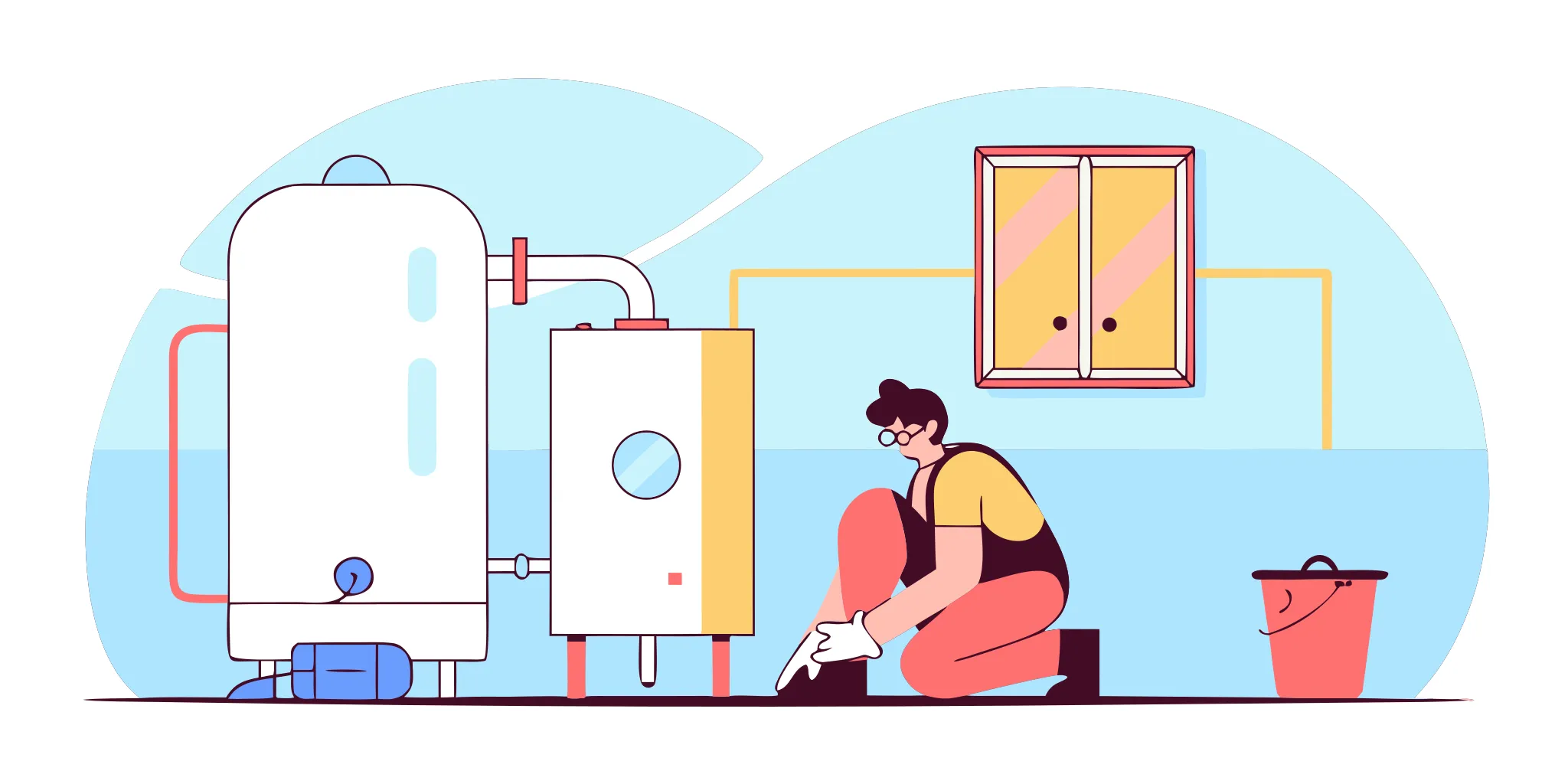
A person uses tools to troubleshoot a water heater that is not working.
Back to Blog
InsightsJune 27, 2026

Why Is My Water Heater Not Working? A DIY Guide

Wondering why is my water heater not working? Get practical DIY tips to troubleshoot common water heater problems and know when to call a professional.

When your hot water suddenly disappears, your water heater is trying to tell you something. The key is learning how to interpret the clues. Whether you’re hearing strange popping sounds, seeing rusty water, or just getting lukewarm temperatures, these are all symptoms that point to a specific issue. Before you can find a solution, you have to understand the problem. This guide is your field manual for figuring out exactly why is my water heater not working. We’ll help you follow the evidence, from checking the simple things first to identifying signs that require a professional, so you can make an informed decision. ## Key Takeaways * **Prioritize Safety Above All**: Before you do anything, turn off the power at the circuit breaker for an electric model or shut off the gas supply for a gas unit. If you ever smell gas, leave your home immediately and call your utility company from a safe location. * **Start with the Simple Fixes**: You can often solve the problem yourself. Check for a tripped circuit breaker, relight the pilot light according to the manufacturer's directions, and confirm the thermostat is set to 120°F before assuming a major issue. * **Know When to Call a Professional**: Some jobs are not DIY. Call for expert help if you have recurring electrical issues, a tank that is leaking, or if your unit is over eight years old and the repair cost is high. ## Why Isn't My Water Heater Working? Common Symptoms That moment you step into the shower and get hit with a blast of cold water is one of the worst ways to start your day. When your water heater stops doing its one job, it’s easy to assume the worst. But before you panic, take a moment to play detective. Your water heater will almost always give you clues about what’s wrong. Paying attention to the specific symptoms, whether it’s a complete lack of hot water, lukewarm temperatures, or strange sounds, can help you pinpoint the source of the problem. Many common issues have surprisingly simple fixes you can handle yourself. For electric models, the solution might be as easy as flipping a switch in your breaker box. For gas heaters, a pilot light that has gone out is a frequent culprit. Other symptoms, however, can point to more serious internal problems, like a failing heating element or a corroded tank. Understanding what to look for is the first step toward getting your hot water flowing again. This guide will walk you through the most common symptoms and what they usually mean, so you can figure out your next move. ### No Hot Water If you’ve turned on the tap and are getting nothing but cold water, start with the simplest explanations. For an electric water heater, head to your home’s electrical panel and check for a tripped circuit breaker. Sometimes, a quick flip of the switch is all it takes. If you have a gas water heater, check to see if the pilot light is lit. If it’s out, you can usually relight it by following the manufacturer’s instructions printed on the unit. If these simple fixes don’t work, or if a reset button keeps tripping, you might be dealing with [faulty heating elements](https://www.hotwater.com/info-center/water-heater-not-working.html) or a broken thermostat, which are jobs best left to a professional. ### Lukewarm Water When your water isn’t cold but never gets truly hot, the thermostat is the most likely suspect. First, check that the temperature is set correctly. For both safety and efficiency, your water heater’s thermostat should be set to around 120°F. If the setting is right but the water is still just warm, the [thermostat may have failed](https://www.lennox.com/residential/lennox-life/consumer/hot-water-heater-not-working) and can no longer accurately regulate the temperature. This can also happen if one of two heating elements in an electric model has burned out. A failing thermostat or heating element typically needs to be replaced by a qualified technician to restore your hot water supply. ### Strange Noises, Leaks, or Discolored Water Your water heater should operate quietly, so if you start hearing popping, rumbling, or banging sounds, it’s a clear sign of trouble. These noises are often caused by [sediment buildup](https://www.rotorooter.com/blog/water-heaters/common-water-heater-problems-and-how-to-fix-them/) at the bottom of the tank. As minerals from the water settle, they can trap water underneath, which then boils and makes noise. Any sign of water pooling around the unit is another major red flag. Leaks can come from loose connections or faulty valves, but if the tank itself is cracked, it’s time for a replacement. Similarly, if your hot water comes out rusty or discolored, it could mean the inside of your tank is corroding and may fail soon. ## Safety First: Before You Touch Anything Before you even think about grabbing a tool or getting a closer look, we have to talk about safety. Water heaters involve electricity, natural gas, and pressurized hot water, so taking a few precautions is the most important step in this entire guide. It’s not about being overly cautious; it’s about being smart and ensuring you and your family stay safe. These steps are non-negotiable, so please read them carefully before you proceed with any troubleshooting. Taking a minute to secure the area can prevent a serious accident, and it’s the first thing any professional would do. ### Shut Off the Power or Gas Your first move is to cut the water heater’s energy source. This prevents any risk of shock or gas leaks while you’re inspecting the unit. For an electric water heater, head to your home’s main breaker box. Find the circuit labeled “water heater” and flip it to the “OFF” position. If the breakers aren’t labeled, you may need to turn off the main power to be certain. For a gas water heater, locate the gas valve on the pipe leading to the unit. It usually has a small handle. Turn the handle so it’s perpendicular to the pipe, which shuts off the gas flow. You can also turn the control knob on the gas valve itself to the “PILOT” or “OFF” position. ### What to Do If You Smell Gas This is an emergency. If you smell gas (often like rotten eggs) anywhere in your home, stop what you’re doing immediately. Do not try to find the source of the leak, turn any lights on or off, or use your phone inside the house. Any of these actions could create a spark and cause a fire or explosion. Instead, leave your house right away, taking your family and pets with you. Once you are a safe distance away, call your gas company’s emergency line or 911. They will send a professional to handle the situation safely. Your well-being is the top priority, and a potential gas leak is never something to handle on your own. ### Essential Safety Precautions Along with cutting the power, a few other safety measures are worth following. It’s always a good idea to wear sturdy gloves and eye protection when working on any home appliance. Things can be dusty, sharp, or hot. Also, be aware that gas water heaters produce carbon monoxide as a byproduct of combustion. Every home with a gas appliance should have a working [carbon monoxide detector](https://www.cpsc.gov/Safety-Education/Safety-Education-Centers/Carbon-Monoxide-Information-Center) installed nearby to alert you to any dangerous buildup. Finally, if you notice a leak coming directly from the body of the tank itself, that’s a clear sign to stop and call a professional. A leaking tank cannot be repaired and will need to be replaced. ## How to Troubleshoot Your Water Heater Okay, let's get to the bottom of this. Before you assume the worst (and start picturing a huge repair bill), there are several simple checks you can perform yourself. Often, the solution is surprisingly straightforward. These steps will help you diagnose the issue and figure out if it's a quick fix or something that requires a professional. Remember to always prioritize safety; if you ever feel unsure or uncomfortable, it's best to stop and call for help. Our team is always ready to provide [water heater repair](https://spacecoastcooling.com/plumbing-services/water-heater-repair/) when you need it. Let's walk through the process together, starting with the easiest things first. ### Check the Simple Things First It might sound basic, but you’d be surprised how often the problem is a simple power issue. Start by going to your home’s electrical panel. Find the circuit breaker labeled for your water heater. Sometimes breakers trip, cutting off the power. If it’s in the middle or “off” position, flip it completely off, wait a few seconds, and then flip it back on. For a gas water heater, you’ll want to check the pilot light. Look through the small window near the bottom of the tank. If you don’t see a small, steady blue flame, the pilot light is out. This is a common reason for a gas heater to stop working. ### Look for Leaks or Damage Next, do a quick visual inspection around your water heater. Are there any puddles or signs of moisture on the floor? Look closely at the connections and valves where pipes enter and exit the tank, as these can sometimes develop slow drips. A small leak from a fitting might be a simple fix. However, if you see water pooling around the base of the unit or water streaks running down the side of the tank itself, it could signal a more serious problem. A crack or corrosion in the main tank is usually not repairable and often means it's time for a water heater replacement. ### Verify the Thermostat Setting Sometimes the fix is as simple as a thermostat that was accidentally turned down. Most water heaters have a dial on the side of the tank. For electric models, there might be two thermostats hidden behind small access panels (be sure to turn the power off at the breaker before opening these). The Department of Energy recommends a setting of 120°F for a good balance of hot water and energy efficiency, while also preventing scalding. If your thermostat is set too low, you won't get sufficiently hot water. Check the dial and adjust it if needed. Keep in mind that it can take a few hours for the water to heat up after you make an adjustment. ## Troubleshooting Your Electric Water Heater If you have an electric water heater, your troubleshooting process will look a little different from a gas model. When you have no hot water, the problem is almost always electrical. The good news is that a few of the most common issues are simple to fix yourself, saving you time and a service call. Before you open any access panels on the unit, remember to shut off the power at your home’s main circuit breaker panel. This is the most important step for staying safe, and it’s not one you can skip. Working with electricity and water is a dangerous combination, so always put safety first. Once the power is off, you can work through these steps to diagnose the problem. We’ll start with the easiest fixes and move on to the ones that are a bit more involved. Think of it as a process of elimination. Often, the solution is as simple as flipping a switch. If you follow these steps and still don’t have hot water, or if you feel uncomfortable working with electrical components at any point, don’t hesitate to give us a call. Our licensed technicians are always here to help, especially when you’re dealing with a cold shower. We're based right here on the Space Coast and can get someone to your home quickly. ### 1. Reset the Circuit Breaker Before you even touch the water heater, start with your home’s electrical panel. A power surge could have tripped the breaker connected to your water heater, cutting off its power supply. Find your breaker box and look for the switch labeled “Water Heater.” It’s often a larger, double-pole breaker. If it’s in the “off” position or stuck in the middle, flip it all the way off, wait about 10 seconds, and then flip it firmly back to the “on” position. Sometimes, this simple reset is all it takes to get the hot water flowing again. ### 2. Press the High-Limit Reset Button If the breaker wasn’t the issue, the next step is to check the high-limit switch on the water heater itself. This is a safety device that automatically shuts off power if the water gets too hot. First, make sure the power is off at the breaker. Then, find the upper access panel on the side of the tank and remove it (you may need a screwdriver). Peel back the insulation, and you should see a red button on the thermostat. Press this reset button firmly. If you hear or feel a distinct click, it means the switch was tripped and has now been reset. ### 3. Test the Heating Elements If resetting the breaker and the high-limit switch doesn’t work, one of the heating elements may have burned out. Most electric water heaters have two elements, an upper and a lower, that heat the water. With the power still off, you can check them for continuity. This is a more advanced step that requires a multimeter. You’ll need to disconnect the wires from the element and [use a multimeter](https://www.youtube.com/watch?v=ZvuH5Zni-Fg) to test it. If you’re not familiar with this tool or don’t feel comfortable handling the wiring, this is the perfect time to call a professional for help. ### 4. Inspect the Thermostat Just like the heating elements, the thermostat can also fail. Each heating element has its own thermostat that tells it when to turn on and off. If the thermostat is broken, it won’t send power to the element, leaving you with cold water. After confirming the power is off, you can visually inspect the thermostat for any signs of melting or charring. Testing a thermostat also requires a multimeter. Because this involves working directly with the unit’s electrical system, we recommend leaving thermostat testing and replacement to a licensed technician to ensure it’s done safely and correctly. ## Troubleshooting Your Gas Water Heater Gas water heaters are reliable workhorses, but they have a few unique parts that can cause issues. If your hot water has gone cold, the problem often comes down to the gas supply or the pilot light assembly. Don't worry, you can check a few things yourself before making a service call. The key is to work carefully and prioritize safety at every step. Before you start, remember that you are working with natural gas. If you ever smell gas (like rotten eggs), stop what you are doing immediately. Turn off the gas supply, leave the area, and call us or your gas company from a safe distance. For other issues, these simple troubleshooting steps can help you identify the problem. We'll walk through checking the pilot light, verifying the gas supply, and inspecting a couple of key safety components. Many times, a simple fix is all it takes to get the hot water flowing again. ### 1. Safely Relight the Pilot Light The pilot light is a small, continuous flame that ignites the main burner when you need hot water. If it goes out, your water heater can't do its job. To check it, find the small viewing window near the bottom of the tank. You should see a steady blue flame inside. If you don't see a flame, the pilot is out. Every gas water heater has specific relighting instructions printed on a label directly on the unit. It's very important to [follow these manufacturer directions](https://www.lennox.com/residential/lennox-life/consumer/hot-water-heater-not-working) precisely. Usually, this involves turning a dial to "Pilot," holding down a button to start the gas flow, and using an igniter button to create a spark. Once the pilot is lit, you'll need to keep holding the button for up to a minute before turning the dial back to "On." ### 2. Check the Gas Supply This might sound obvious, but it happens more often than you'd think. Before you assume there's a major problem, make sure your water heater is actually getting gas. Find the gas supply line that runs to the bottom of your water heater. On that line, you'll see a shutoff valve, which usually has a single handle. The handle should be parallel to the pipe, which means it's open and gas is flowing. If the handle is perpendicular to the pipe, the valve is closed. Someone may have turned it off for a previous repair or bumped it by accident. Simply [turn the valve](https://armstrongcomfort.com/Blog/7-reasons-your-water-heater-isnt-working) so it's parallel with the pipe to restore the gas supply. After doing this, you may need to relight the pilot light. ### 3. Inspect the Thermocouple If you successfully relight the pilot light but it won't stay lit, the thermocouple is the most likely culprit. The thermocouple is a small safety sensor that sits in the pilot flame. Its job is to detect the heat and confirm the pilot is lit. If it doesn't sense a flame, it shuts off the gas to prevent a dangerous leak. Over time, the thermocouple can get dirty with soot or simply wear out. If it's dirty, it can't sense the flame correctly. If it's broken, it won't work at all. While cleaning it is sometimes possible, this component is critical for safety. If you suspect a faulty thermocouple, it's best to have a professional handle the repair. Our technicians can quickly diagnose and replace a bad thermocouple to get your system running safely again. ### 4. Look for Blocked Vents or Drafts Your gas water heater needs to breathe. It pulls in air for combustion and vents exhaust gases outside through a metal pipe on top of the tank. If this vent gets blocked, it can starve the burner of oxygen and cause the system to shut down as a safety measure. Check the area around the base of the water heater to make sure it's clear of clutter. Next, look at the vent pipe itself. Make sure it's securely connected and free of obstructions like dust, debris, or even bird nests. A strong draft in the area can also sometimes blow out the pilot light. While you can clear away simple blockages, any serious issues with [blocked vents](https://www.hotwater.com/info-center/water-heater-not-working.html) can lead to a dangerous buildup of carbon monoxide and should be addressed by a professional right away. ## Addressing Other Common Problems Sometimes, the reason your water heater is acting up isn't as straightforward as a pilot light or a tripped breaker. Issues like mineral buildup, internal rust, or even bacteria can cause strange noises, bad smells, and inefficient heating. These problems often develop over time and are common in areas with hard water. Let's walk through how to identify and handle some of these less obvious culprits. ### Spotting Sediment Buildup If you hear popping, rumbling, or crackling sounds coming from your water heater tank, you're likely dealing with sediment buildup. This is a very common issue where minerals from the water supply, like calcium and magnesium, settle at the bottom of the tank. This layer of mineral gunk forces your water heater to work harder to heat the water, which reduces its efficiency and can even cause the tank to overheat. Over time, this not only drives up your energy bills but also shortens the lifespan of your unit. Here in Florida, our hard water can make sediment a persistent problem for homeowners. ### How to Flush Your Water Heater The best way to fight sediment buildup is to flush your water heater tank about once a year. This process involves draining the tank to clear out all the accumulated minerals and debris. To do this, you’ll need to turn off the power and water supply, connect a garden hose to the drain valve at the bottom of the tank, and let it empty completely. Flushing your tank is a key part of regular maintenance that helps keep your unit running efficiently and for longer. If you're not comfortable doing this yourself, or if it’s been a long time since the last flush, our team can handle it for you. ### Checking and Replacing the Anode Rod Inside your water heater tank is a hidden hero called the anode rod. This metal rod is a crucial component that prevents rust by attracting corrosive elements in the water, essentially sacrificing itself to protect the steel tank. Because it's designed to corrode, it needs to be checked annually and replaced every few years. If you have smelly water or notice rust, a depleted anode rod is a likely suspect. A new rod is inexpensive, but replacing it can sometimes be tough if the old one is stuck. If you’re unsure how to check the anode rod, it’s a quick job for a professional plumber. ### Leaking Tank vs. Leaking Valve: What's the Difference? Seeing a puddle around your water heater is alarming, but don't panic just yet. First, try to find where the water is coming from. Leaks can originate from several places, like loose plumbing connections or a faulty temperature and pressure (T\&P) relief valve, which are often repairable. However, if you see water weeping from the tank itself, that’s a much more serious problem. A cracked or corroded tank cannot be repaired and means you will need a complete water heater replacement. Shut off the water supply to the tank immediately and give us a call so we can assess the situation. ### Dealing with Discolored or Smelly Water Does your hot water have a rusty color or a rotten egg smell? This is often caused by bacteria that can grow inside the tank, especially if the water has been sitting or the temperature is set too low. A decaying anode rod can also contribute to that sulfur smell. One way to address this is by flushing the tank and, in some cases, using a solution of water and hydrogen peroxide to clean it. You can also temporarily turn the thermostat up to 140°F for a few hours to kill the bacteria, but be sure to lower it back to a [safe temperature](https://www.cpsc.gov/s3fs-public/5098.pdf) (120°F is recommended) to prevent scalding. ## Repair or Replace? How to Know When It's Time for an Upgrade It’s the big question every homeowner faces when a major appliance acts up: do you pay for another repair or invest in a replacement? A water heater is a significant purchase, so it’s smart to weigh your options carefully. While a repair might seem cheaper at the moment, sinking money into an old, inefficient unit isn’t always the best long-term strategy. Here are a few key things to consider to help you make the right call for your home and your budget. ### Consider the Age of Your Water Heater The first thing to check is your water heater’s age. Most traditional tank-style water heaters have a lifespan of about 8 to 12 years. If your unit is over eight years old, it's often [better to replace it](https://www.aaastl.com/blog/hot-water-heater-stops-working/) than to sink money into a significant repair. As water heaters get older, internal parts like the anode rod wear out, which can lead to corrosion inside the tank. Plus, newer models are significantly more energy-efficient. Upgrading can lead to noticeable savings on your monthly utility bills, helping the new unit pay for itself over time. ### Weigh the Cost of Repairs A good rule of thumb is the 50% rule. If a proposed repair costs 50% or more of what a brand-new water heater would cost, it’s time to replace it. Pouring hundreds of dollars into a unit that is already past its prime is rarely a good investment. If you find yourself calling for service every year for recurring issues, it's almost always [more cost-effective to replace](https://www.rotorooter.com/blog/water-heaters/common-water-heater-problems-and-how-to-fix-them/) the unit. Those small repair bills add up quickly and will eventually surpass the cost of a reliable new system. ### Look for Signs of Serious Wear Some symptoms are clear indicators that your water heater is on its last legs. If you see rusty or discolored water coming from your hot water taps, it’s a strong sign that the inside of your tank is corroding and could fail soon. Similarly, a leak coming directly from the tank itself is a fatal flaw; this cannot be repaired and requires immediate replacement. If you decide an upgrade is the right move, you can [choose the right type](https://www.lennox.com/residential/lennox-life/consumer/hot-water-heater-not-working) of new model, like a tankless unit, to fit your family’s needs. ## When to Call a Professional While I’m a huge fan of rolling up your sleeves and tackling home repairs, some jobs are best left to the experts. When it comes to water heaters, you’re dealing with high-pressure water, electricity, or natural gas, a combination that can be dangerous if you’re not sure what you’re doing. A simple mistake can lead to a much bigger, more expensive problem, or even put your family’s safety at risk. Recognizing when a problem is beyond a DIY fix is just as important as knowing how to check the pilot light. If you encounter any of the following situations, please put the tools down and call a licensed professional. At Space Coast Cooling & Plumbing, we’ve seen it all, and our technicians are trained to handle these complex and hazardous issues safely. Our goal is to get your hot water running again without any risk to you or your home. Don’t hesitate to reach out; it’s always better to be safe. ### You Smell Gas This is the most critical warning sign, and it’s not one to take lightly. If you smell gas or a rotten egg odor anywhere near your water heater or in your home, you need to act immediately. Do not try to find the source of the leak, turn lights on or off, or use your phone inside the house. Any spark could be catastrophic. Your only job is to get everyone out of the house right away. Once you are safely outside and a good distance away, call your gas company’s emergency line to report the leak. This isn't a plumbing issue first; it's a gas leak emergency that the utility company must address. ### You're Facing Electrical Issues Electrical problems are another major red flag. If the circuit breaker for your electric water heater trips repeatedly, it’s signaling a deeper issue that a simple reset won’t fix. This could be a short in the wiring, a failing heating element, or a faulty thermostat. You should also call a professional immediately if you notice the smell of burning plastic or wires coming from the unit. Working with high voltage is extremely dangerous, and our licensed technicians have the right tools and training to diagnose and perform water heater repairs without risking fire or electrical shock. ### The Tank Is Leaking or Corroded A little water on the floor doesn’t always mean disaster, but you need to know where it’s coming from. If a valve or fitting is dripping, a plumber can often fix it. However, if you see water seeping from the bottom of the tank itself or notice significant rust and corrosion on the tank body, the unit has reached the end of its life. As experts at Roto-Rooter note, if the tank itself is leaking, you’ll need a new water heater. A corroded tank can’t be repaired and will only get worse, eventually leading to a major flood in your home. We can help you assess the damage and find the right replacement. ### Your DIY Fix Didn't Work You’ve checked the breaker, reset the high-limit switch, and made sure the pilot light is on, but you still have no hot water. It’s frustrating, but don’t worry, you’ve done your due diligence. If you’ve tried all the basic troubleshooting steps and the problem persists, it’s time to call for backup. Continuing to tinker with the unit without a clear diagnosis can sometimes cause more harm than good. A professional has the diagnostic equipment to pinpoint the exact cause, whether it’s a hidden electrical fault or a failing gas valve. Letting an expert take over is the smartest and fastest way to get your hot water back. ## Your Go-To for Water Heater Help on the Space Coast Sometimes, even after trying all the troubleshooting steps, a water heater problem is just too stubborn for a DIY fix. If you’ve checked the breaker, inspected the pilot light, and are still facing a cold shower, it’s frustrating. More importantly, if you’re dealing with a leaking tank or electrical issues you’re not comfortable with, it’s time to call in a professional. Your safety and peace of mind are what matter most. That’s where we come in. For over 30 years, Space Coast Cooling & Plumbing has been the team our neighbors from Cocoa to Melbourne and across the Space Coast trust for honest answers and reliable service. We live here, too, so we understand how disruptive a plumbing problem can be. Our licensed technicians are available 24/7 for emergencies because we know that losing hot water rarely happens at a convenient time. We show up on time, diagnose the problem correctly, and explain your options clearly. Whether you need a straightforward repair, a new water heater installation, or routine maintenance to prevent future issues, we have you covered. Our experts can handle everything from flushing out sediment buildup to replacing a failed heating element or installing a brand-new, energy-efficient unit. We believe in total transparency, so you’ll always receive upfront pricing before any work begins. If a replacement is the best path forward, we can walk you through our flexible financing options to help make the project fit your budget. Don’t let a faulty water heater disrupt your life; let our team provide the fast, dependable water heater services you deserve. ## Related Articles * [Professional Water Heater Repair Cocoa, FL](https://spacecoastcooling.com/plumbing-services/water-heater-repair/) * [Expert Water Heater Installation & Replacement Cocoa, FL](https://spacecoastcooling.com/plumbing-services/water-heater-installation-replacement/) * [FAQs | Space Coast Cooling & Plumbing, Inc.](https://spacecoastcooling.com/faq/) * [Can a Water Heater Cause Low Water Pressure in Your Home?](https://spacecoastcooling.com/can-a-water-heater-cause-low-water-pressure/) * [Appliance Installation & Repair Services in Cocoa, FL](https://spacecoastcooling.com/plumbing-services/appliance-installation-repair/) ## [Frequently Asked Questions](https://spacecoastcooling.com/faq/) **What are the first, simplest things I should check if I have no hot water?** Before you assume the worst, always start with the power source. For an electric model, go to your home's breaker panel and see if the switch for the water heater has tripped. For a gas heater, check to see if the pilot light has gone out. These two issues account for a surprising number of hot water failures, and the fix is often straightforward. **My water heater is making a popping sound. Should I be worried?** Those popping or rumbling noises usually aren't a sign of immediate danger, but they are a clear signal that your heater needs attention. The sound is typically caused by mineral sediment that has built up at the bottom of the tank. This layer of gunk traps water, causing it to boil and pop. This process makes your heater work harder, wastes energy, and can shorten its lifespan, so it's a good idea to have the tank flushed. **How can I tell if a leak is a simple fix or a major problem?** Try to pinpoint exactly where the water is coming from. If you see drips from a pipe connection or the temperature and pressure relief valve, a plumber can often repair it. However, if water is seeping from the main body of the tank itself, that's a much more serious issue. A tank that is corroded or cracked cannot be repaired and will need to be replaced entirely. **My gas water heater's pilot light keeps going out. What's wrong?** If you can relight the pilot but it won't stay lit on its own, the problem is very likely a faulty thermocouple. This is a small safety sensor that sits in the pilot flame and shuts off the gas if the flame goes out. When it fails, it won't allow the gas to stay on even when the pilot is lit. Because this is a critical safety component, it's best to have a professional technician diagnose and replace it. **At what point is it better to replace my water heater instead of repairing it?** Two main factors can help you decide: age and cost. Most tank-style water heaters last about 8 to 12 years. If your unit is in that range or older, replacement is often the wiser choice. Also, consider the cost of the repair. If a fix is going to cost 50 percent or more of what a new unit would, investing in a new, more efficient model is almost always the better long-term financial decision.
Available 24/7

Call the Experts that Local Homeowners Rely On

When you need home services, you want answers you can trust and work you can count on. Space Coast Cooling & Plumbing is the plumbing and HVAC company in Cocoa, FL, that brings decades of local experience, licensed professionals, and customer-first service to every job. One call connects you with a team ready to help.

Licensed & InsuredServing Cocoa Since 1994Honest, Upfront PricingSame-Day Service Available