

When your Florida AC stops cooling, starts making unusual noise, leaks water, or freezes over, the heat and humidity can turn a small symptom into an urgent problem. Call Space Coast Cooling & Plumbing at (321) 631-5755 for dependable AC repair in Brevard County.
This guide explains what common AC symptoms may mean, which basic checks are reasonable for a homeowner, and when a repair requires a trained professional.
An ac repair guide florida should begin with the symptoms you can observe, not complicated equipment terms. Florida homeowners can often start by checking the thermostat, filter, breakers, and airflow, but refrigerant leaks, electrical faults, persistent freezing, and water damage need professional diagnosis. HVAC systems account for more than 40% of a typical Florida home's utility bill. And the University of Florida notes that each degree below 78°F can add up to 8% to cooling costs: UF/IFAS cooling guidance.
Because Florida systems work through long, demanding cooling seasons, the local climate affects both the warning signs and the urgency of a repair. Understanding that difference is the first step toward protecting comfort, efficiency, and your home.
Why Does Florida Need Its Own AC Repair Guide?
A general AC repair manual does not account for Florida's extended cooling season, coastal humidity, and salt-air corrosion. Florida air conditioners commonly operate eight to ten months per year, and some homes run theirs nearly year-round. The combination of intense heat and persistent moisture gives small problems less time to hide and more time to compound.
Florida air conditioners face a longer, harder workload than systems in milder parts of the country. The combination of intense heat, persistent humidity, and a cooling season that can stretch most of the year leaves less time for equipment to rest. That extra runtime makes small performance issues more noticeable and can turn neglected maintenance into an unexpected repair. If your system is struggling to keep up, schedule professional AC repair services before the problem affects comfort or causes additional wear.
Heat keeps the system working for months
In many regions, homeowners run air conditioning for roughly four or five months annually. In Florida, cooling equipment commonly operates for eight to ten months, and some systems run nearly year-round. A longer season means more compressor cycles, more airflow through filters and coils, and more opportunities for a drain, electrical component, or thermostat problem to appear. In Brevard County, the coastal climate can also add moisture to the air, so your AC must remove humidity while lowering the indoor temperature. If you notice your AC running but not cooling, the extra runtime could be masking a developing issue.
Humidity adds another job beyond cooling
An AC system does not simply blow cold air. It also pulls moisture from indoor air as warm air passes over the indoor coil. When the equipment is dirty, undersized, or unable to complete a normal cooling cycle, the home may feel damp even when the thermostat reaches its setting. High humidity can make rooms feel warmer than they are and encourage musty odors, which often leads homeowners to run the system longer. This is why many houses produce that musty AC smell that signals excess moisture in the system.
Florida cooling costs make efficiency important
The University of Florida's Institute of Food and Agricultural Sciences reports that HVAC can account for more than 40% of a typical Florida home's utility bill. The same guidance notes that each thermostat setting below 78 degrees Fahrenheit can increase cooling costs by up to 8%. These figures explain why a system that runs constantly, blows weak air, or struggles to reach the set temperature deserves prompt attention. Timely diagnosis can protect comfort while helping prevent avoidable energy waste.
What Are the 7 Most Common AC Problems in Florida?
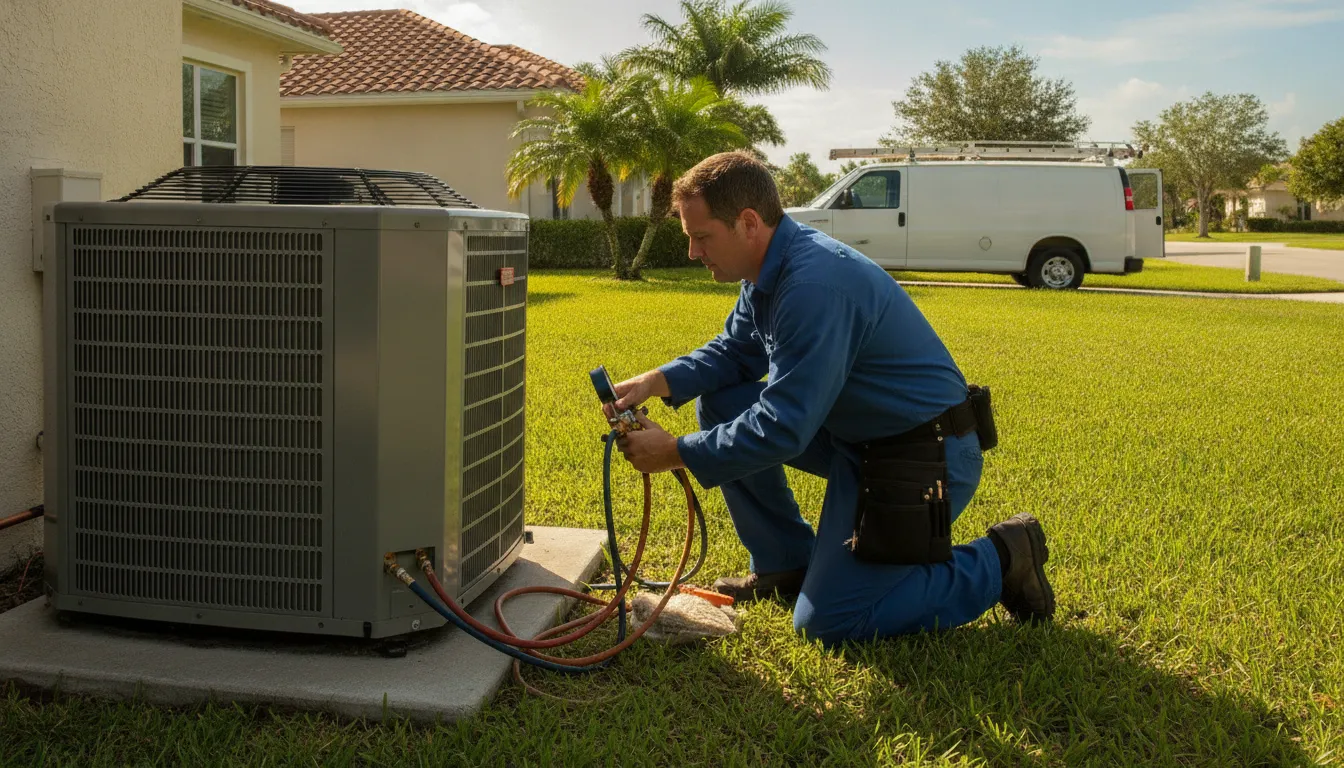
Florida homeowners most frequently encounter AC systems that will not cool, blow warm air, freeze up, leak water, make loud noises, short cycle, or shut off unexpectedly. These symptoms can point to issues with dirty filters, blocked drains, low refrigerant, or failing components. While some checks are safe for homeowners, most serious problems require a licensed technician to diagnose and repair.
Florida air conditioners work hard through long, hot cooling seasons, so small airflow or maintenance issues can quickly become comfort problems. These symptoms can help you decide what to check safely at home and when to schedule service. For a broader look at common AC issues, review the related troubleshooting guide. If your AC is not cooling, many of these symptoms may be interconnected.
1. The AC Is Not Cooling
If the system runs but your home stays warm, start with simple causes. A dirty filter can restrict airflow, while a closed interior door can disrupt air circulation through the home. The U.S. Department of Energy notes that closed-off rooms can interfere with airflow, so opening interior doors may help restore circulation. Replacing a visibly dirty filter and checking that supply vents are open are reasonable DIY steps. If airflow remains weak or some rooms stay hot, a professional should inspect the ductwork, blower, and system operation. Faulty installation can contribute to leaky ducts and low airflow, according to the U.S. Department of Energy.
2. The AC Is Running but Not Cooling
This symptom often points to a problem beyond the thermostat setting. A clogged filter, blocked outdoor unit, restricted airflow, or equipment fault may keep the system running without producing comfortable air. You can replace the filter and make sure furniture is not blocking vents. Do not open the refrigerant circuit or attempt to add refrigerant yourself. Low refrigerant is commonly associated with a leak, and the leak must be repaired, tested, and charged by a trained technician.
3. The AC Is Freezing Up
Ice on the indoor coil or refrigerant lines is a warning sign, not proof that the system needs more refrigerant. Restricted airflow from a dirty filter can contribute to freezing, and a refrigerant leak may also be involved. Turn the system off and allow the ice to melt. You may replace the filter if it is dirty, but repeated freezing requires professional diagnosis. Continuing to run an iced-up system can increase strain and turn a manageable repair into a more serious failure. Learn more about what to do when your AC is freezing up.
4. The AC Is Leaking Water
Water near the indoor unit may come from a clogged condensate drain, a frozen coil, or a drain pan problem. You can turn off the system, protect nearby flooring, and check whether the filter is dirty. Avoid pouring chemicals into a drain line unless a technician has recommended a specific product for your equipment. Persistent or substantial leaking needs a professional inspection, especially when water is near electrical components or ceilings.
5. The AC Is Making a Loud Noise
New banging, grinding, scraping, buzzing, or rattling sounds should not be ignored. Loose panels, debris, electrical problems, or a failing moving part can produce unusual noise. You can turn the system off and check for obvious debris around the outdoor cabinet, but do not reach inside the unit. If the sound returns, schedule service before the underlying problem causes additional damage.
6. The AC Is Blowing Warm Air
Warm air from the vents can result from an incorrect thermostat setting, a dirty filter, a tripped breaker, or a larger equipment problem. Confirm the thermostat is set to cooling and that the temperature is below the current room temperature. Check the electrical panel only if you can do so safely. If the breaker trips again, leave it off and call a professional. Refrigerant issues and electrical repairs are not DIY work.
7. The AC Is Short Cycling
Short cycling means the system starts and stops repeatedly instead of completing a normal cooling cycle. A clogged filter, thermostat issue, airflow restriction, oversized equipment, or refrigerant problem may be responsible. Replacing a dirty filter is a safe first step. If the cycling continues, professional testing is needed because repeated starts can increase wear and leave your home humid and uncomfortable. Read more about AC short cycling causes and solutions.
What Should You Check Before Calling an AC Pro?
When your air conditioner stops cooling properly, check the thermostat setting and batteries, inspect the air filter. Look for a tripped circuit breaker, clear debris from the outdoor unit, and examine the condensate drain line. These five safe checks can resolve simple thermostat, airflow, power, debris, or drainage issues in minutes. Stop immediately if you notice burning smells, damaged wiring, or unusual mechanical noises.
Work through these steps in order, and stop if you notice burning smells, damaged wiring, unusual noises, or any situation that feels unsafe. For additional guidance on common AC issues, review the related troubleshooting tips.
Check the thermostat settings and batteries
Confirm that the thermostat is set to Cool and that the temperature setting is below the current room temperature. Set the fan to Auto if you want it to run only during cooling cycles. If the display is blank or inconsistent, replace the batteries when applicable. The issue may be resolved if the system starts and cool air returns after correcting the setting. If the thermostat remains blank, the system does not respond, or the temperature does not improve, a professional should test the thermostat and electrical components.
Inspect the air filter
Turn off the system and check the filter for visible dust and buildup. A dirty filter restricts airflow and can contribute to system malfunction and premature compressor or fan failure, according to the U.S. Department of Energy. Replace a disposable filter with the correct size, then allow the system time to run. If airflow improves and the home begins cooling normally, the filter was likely part of the problem. If the filter becomes dirty quickly, airflow stays weak, or the AC still runs constantly, call a pro for a deeper inspection.
Check the circuit breaker or fuses
Look for a tripped breaker or blown fuse serving the air conditioner. Follow the Department of Energy's guidance and let the unit cool for five minutes before resetting the breaker. Reset it only once. If the AC restarts and operates normally, monitor it closely. If the breaker trips again, leave it off and schedule service. Repeated trips can indicate an electrical or equipment problem that should not be handled by trial and error.
Look at the outdoor unit
With power on and the thermostat calling for cooling, check whether the outdoor fan is running. Remove leaves, grass, and other loose debris from around the unit, while keeping your hands and tools away from the fan and electrical components. Maintain clear space around the cabinet so air can move freely. If clearing debris restores normal operation, continue watching for stable cooling. If the fan will not start, the unit makes an unusual sound, or the AC shuts down again, turn it off and call a technician.
Check the condensate drain line
Look near the indoor air handler for standing water, a full drain pan, or a visible drain line with water backing up. A clogged condensate line can shut down cooling equipment or cause water damage. You can clear only an easily accessible, visible obstruction if your system instructions allow it. Do not open electrical panels or dismantle the equipment. If water continues to collect, the drain is inaccessible, or the AC will not restart after the blockage is addressed, have a professional clear and inspect the line.
These checks can resolve basic thermostat, airflow, power, debris, or drainage issues. They cannot replace diagnosis when a problem returns or the system still cannot keep your Florida home cool.
When Should You Call a Professional AC Technician in Florida?
Call a professional AC technician in Florida when you notice refrigerant leaks, a frozen coil that will not thaw, water damage near the indoor unit. Grinding mechanical noises, a breaker that immediately trips again, or a system that will not turn on after checking the thermostat and breaker. These symptoms can indicate electrical faults, compressor failure, or serious refrigerant problems that are unsafe and impractical to handle yourself.
Call Space Coast Cooling & Plumbing at (321) 631-5755 for 24/7 emergency service when your AC failure threatens your comfort, causes property damage, or involves electrical or refrigerant work.
Call for refrigerant leaks or a frozen coil that will not thaw
Ice on the indoor coil or refrigerant lines can indicate low refrigerant, restricted airflow, or another problem. If the system remains frozen after you turn it off and allow it to thaw, schedule a technician rather than repeatedly restarting it. Low refrigerant is often caused by a leak. A trained technician should repair the leak, test the repair, and charge the system correctly. Refrigerant handling is not a safe DIY task.
Get help with water, electrical, or compressor symptoms
Turn the system off and call for service if water is dripping from the ceiling, collecting around the indoor unit, or damaging walls and flooring. A clogged drain or condensate problem can become expensive property damage if ignored. You should also call when the AC will not turn on at all after you have checked the thermostat and circuit breaker. Or when a breaker trips again after resetting. Do not open electrical panels or attempt to replace wiring.
Grinding, screeching, or other sudden mechanical noises deserve prompt attention. Continuing to run a noisy system can worsen a failing motor, fan, or compressor. Compressor failure, repeated shutdowns, and an outdoor unit that only hums are technician-level problems that require testing and a repair recommendation.
Prevent emergency repairs with regular maintenance
Many urgent failures develop after months of restricted airflow, dirty coils, or overlooked wear. Space Coast Cooling & Plumbing offers HVAC maintenance plans for $250 per year, helping homeowners catch developing problems before they become a no-cooling emergency. Regular maintenance cannot prevent every failure, but it can reduce avoidable breakdown risks and keep your system ready for Florida's long cooling season.
How Much Does AC Repair Cost in Florida in 2026?
Most common AC repairs in Florida fall between $150 and $650, with diagnostic fees typically running $75 to $150. Capacitor replacements cost $150 to $300, fan motor replacements run $250 to $600, and refrigerant recharges range from $200 to $600. Compressor repairs start around $600 and can exceed $1,800. A professional diagnostic visit is usually priced separately, although some companies apply that fee toward approved repair work.
Florida air conditioners work hard through long, hot cooling seasons, so repair pricing can vary with the symptom, part, system size, refrigerant, and accessibility. For a useful starting point, most common AC repairs fall between $150 and $650. A diagnostic visit is usually priced separately, although some companies apply that fee toward approved repair work.
| Repair or service | Typical cost | What can affect the price |
|---|---|---|
| Diagnostic fee | $75-$150 | Travel, testing time, and whether the fee is applied to repair work |
| Capacitor replacement | $150-$300 | Part type, system design, and labor access |
| Contactor replacement | $100-$250 | Equipment configuration and service access |
| Drain line clearing | $75-$200 | Location of the blockage and whether additional cleaning is needed |
| Coil cleaning | $100-$400 | Coil condition, buildup, and how difficult the coil is to reach |
| Fan motor replacement | $250-$600 | Motor style, horsepower, and replacement complexity |
| Refrigerant recharge | $200-$600 | Refrigerant type, system size, and whether a leak must be found |
| Compressor repair | $600-$1,800+ | Diagnosis, compressor model, and whether repair or replacement is appropriate |
Why quotes can differ
These ranges are planning figures, not guaranteed quotes. A technician needs to identify why the AC is not cooling, running constantly, leaking water, or making unusual sounds before recommending a repair. Refrigerant work may also require leak diagnosis rather than a simple recharge. Ask whether the estimate includes parts, labor, testing, disposal, and any follow-up visit.
Maintenance can reduce repair costs
Preventive maintenance generally costs far less than an emergency repair because it helps catch restricted airflow, dirty coils, drain problems, and worn electrical components earlier. It can also help your system operate more efficiently during Florida's hottest weather. Space Coast Cooling & Plumbing provides transparent pricing and free estimates, so homeowners can understand the recommended work before authorizing service.
What AC Maintenance Can Prevent Costly Repairs?
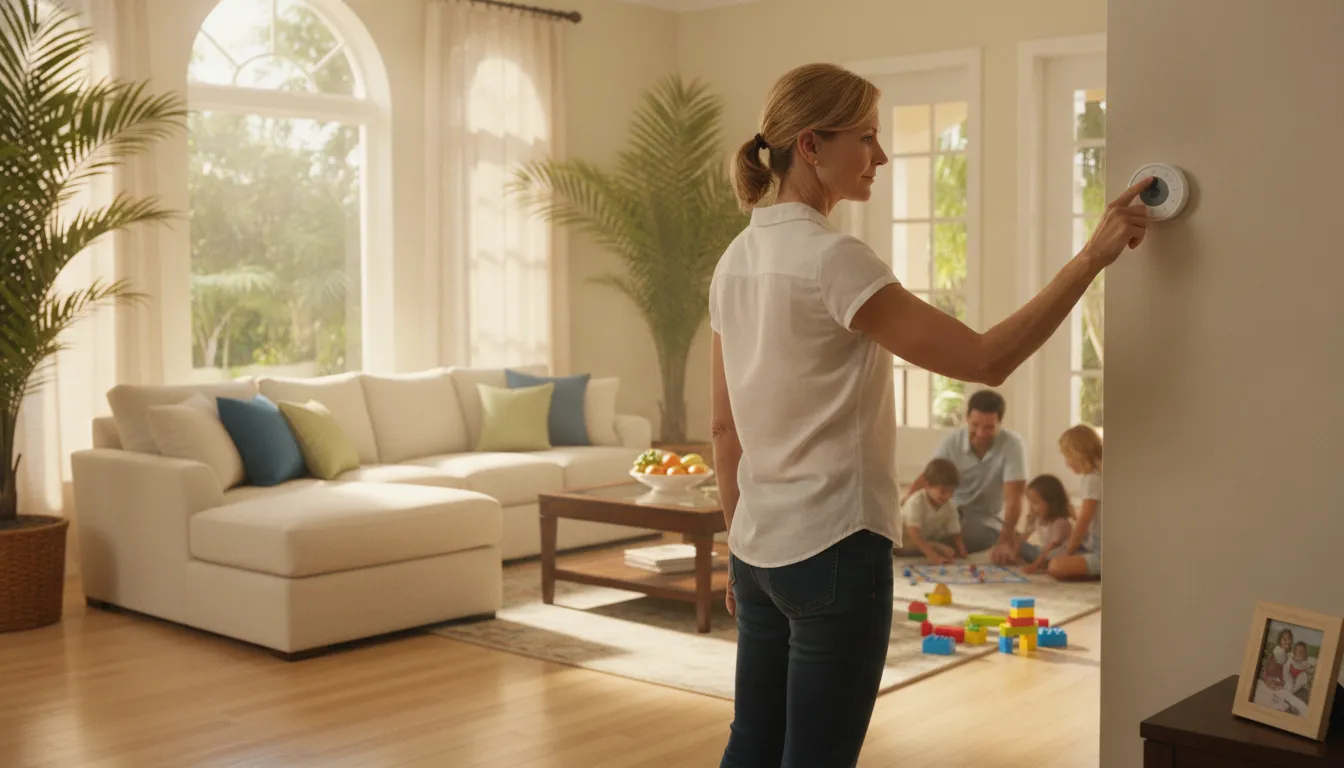
Regular AC maintenance in Florida should include changing the air filter every 30 days. Cleaning debris from the outdoor unit, flushing the condensate drain line with vinegar monthly, and scheduling a professional spring tune-up. These steps help prevent the restricted airflow, frozen coils, and drain blockages that cause most emergency repair calls. Space Coast Cooling & Plumbing offers a $250-per-year maintenance plan for ongoing care.
Florida air conditioners work through long, hot seasons, so a simple maintenance routine can help prevent avoidable breakdowns. Dirty filters and coils can make an air conditioner malfunction and contribute to premature compressor or fan failure. Call (321) 631-5755 to schedule professional AC maintenance in Brevard County.
Change the air filter every 30 days
Start with the filter because it directly affects airflow. In Florida, dust, pollen, and persistent humidity can load a filter quickly. Check it monthly and replace it when it looks dirty, even if the package suggests a longer interval. A restricted filter can make your AC run longer, cool unevenly, or struggle to keep up during the hottest afternoons. Homes with pets, allergies, renovations, or frequent indoor activity may need even closer monitoring.
Clean around the outdoor unit
Turn off power before clearing leaves, grass, and other debris from the condenser. Trim shrubs and other vegetation so there is at least two feet of open space around the unit. Good clearance allows air to move through the outdoor coil and makes it easier for a technician to inspect the system. Do not bend the delicate fins or spray electrical components. If the coil is heavily clogged, schedule professional cleaning instead.
Clear the condensate drain line
Your AC removes moisture from Florida air as it runs. That water leaves through a condensate drain, which can collect algae and eventually back up. Once a month, pour a small amount of white vinegar into the drain access point if your system and manufacturer instructions allow it. Watch for water around the indoor unit, a full drain pan, or an AC that shuts off unexpectedly. Those symptoms call for prompt service rather than repeated resets.
Schedule a professional spring tune-up
Book a professional inspection before peak cooling season, ideally in spring. A tune-up can identify electrical, airflow, drainage, and refrigerant concerns before they become an emergency. Dirty coils reduce efficiency by 30 percent or more and should be cleaned professionally. A technician can also check components that are unsafe or impractical for homeowners to test. Learn more about regular AC maintenance.
Monitor the thermostat and refrigerant-related symptoms
Use a consistent thermostat setting and notice changes in comfort, runtime, and airflow. Florida's minimum standard for air conditioners and heat pumps is SEER 15 as of 2024, according to UF/IFAS, but efficiency also depends on proper operation and maintenance. If your AC runs constantly, blows warm air, makes unusual sounds, or develops ice, do not attempt to add refrigerant yourself. Low refrigerant is often linked to a leak, which requires a trained technician to repair, test, and charge correctly.
How to Choose the Right AC Repair Company in Brevard County
When choosing an AC repair company in Brevard County, look for proper licensing and insurance. Local experience with coastal and humid conditions, transparent pricing with written estimates, 24/7 emergency availability, and a reputation for clear homeowner-friendly communication. A company that has served the area for decades understands how salt air, humidity, and Florida's long cooling season affect equipment differently than in other regions.
When your AC is not cooling, choosing the first available contractor may feel tempting. A better approach is to choose a company that understands Brevard County homes, coastal conditions, and the urgency of Florida heat. Space Coast Cooling & Plumbing has served Brevard County for 30 years and has been family-owned since 1994. That local experience helps homeowners get practical recommendations rather than a one-size-fits-all response. Call (321) 631-5755 for trusted AC repair service from a local family-owned company.
Verify licensing, insurance, and local experience
Before scheduling service, confirm that the company is licensed and insured. Ask whether its technicians regularly work in your area and understand the conditions your system faces. Homes near Cocoa Beach, Cape Canaveral, Satellite Beach, or Merritt Island may have outdoor equipment exposed to salt air, which can accelerate corrosion. Across the county, high humidity can also contribute to comfort problems and moisture concerns. A contractor with local experience should be able to explain what they find in clear, homeowner-friendly terms.
Look for transparent pricing and emergency availability
Reliable repair companies explain the diagnostic process, recommended work, and expected pricing before beginning major repairs. Transparent pricing makes it easier to compare options and avoid surprises. It is also worth asking whether emergency help is available after normal business hours. AC failures do not follow a schedule, especially during a Florida heat wave or hurricane-season disruption. Space Coast Cooling & Plumbing provides 24/7 emergency service for urgent HVAC failures.
Consider reviews, maintenance, and long-term support
Read recent reviews for patterns in communication, punctuality, workmanship, and follow-up. The lowest initial quote is not always the best value if the repair is rushed or the underlying problem remains. Ask whether the company offers a maintenance program that can help identify developing issues before they become emergency calls.
For help with an AC that is running constantly, blowing warm air, or struggling with humidity, contact our team at (321) 631-5755 to schedule AC repair in Brevard County. A local, licensed, and transparent contractor can help you make an informed repair decision.
Frequently Asked Questions
What are common AC problems in Florida?
Florida homeowners commonly notice an AC that is not cooling, weak airflow, unusual noises, water around the indoor unit, short cycling, or ice on the system. Heavy heat, humidity, dust, and long cooling seasons can make these symptoms more likely. A dirty filter, blocked drain, airflow restriction, electrical issue, or refrigerant leak may be involved, so the symptom alone cannot confirm the cause.
How can I tell if my AC needs repair?
Call for repair when the system repeatedly runs without reaching the thermostat setting, blows warm or weak air. Makes a new grinding or screeching sound, leaks water, trips a breaker, or develops ice. Turn the system off if you smell burning, see damaged wiring, or notice a major refrigerant or water leak. A technician can identify the underlying problem before continued operation causes more damage.
How often should I service my AC in Florida?
Arrange professional maintenance at least once a year, preferably before the hottest part of the cooling season. Check the filter more often during periods of heavy use, dust, pollen, or humidity, and replace it according to the manufacturer's instructions. If your system struggles despite a clean filter and clear outdoor area, schedule an inspection rather than waiting for a complete failure.
Why does my AC need regular maintenance?
Maintenance helps catch restricted airflow, dirty components, drain problems, and electrical wear before they become disruptive failures. It also gives a technician an opportunity to check system operation and identify conditions that can reduce comfort or efficiency. Routine care is especially useful in Florida because air conditioners often work through extended, demanding cooling seasons.
Ready to Schedule AC Repair in Brevard County?
Call Space Coast Cooling & Plumbing at (321) 631-5755 to schedule AC repair service in Brevard County. If your AC is not cooling, making unusual noises, leaking, or freezing, a professional evaluation can help identify the right next step. Our family-owned company has served Brevard County since 1994 and understands the unique challenges Florida homeowners face with their HVAC systems.